2016 is trending on social media and in the media. Archi-living.com is joining this worldwide trend. In this article, we look back on 2016 and remember beautiful design and travel ideas, featured a decade ago. Discover more. 🙂
Reflecting on 2016: Stunning Designs
Serenity & Rose Quartz – Meet the 2016 Pantone Color of the Year
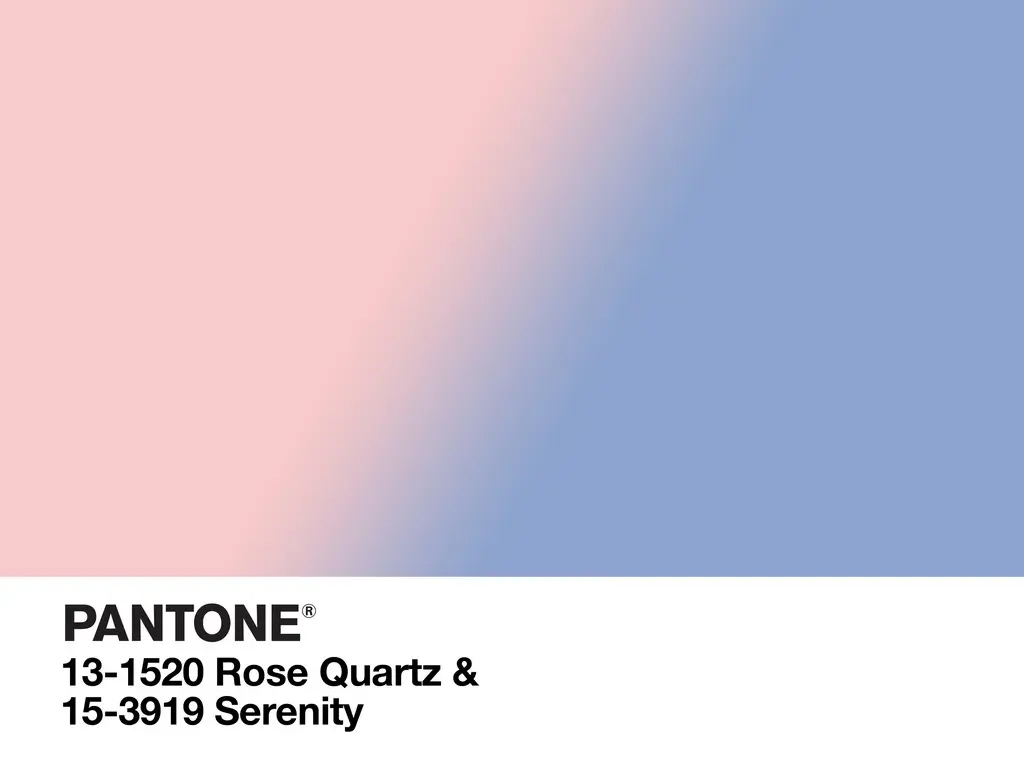
Pantone announced PANTONE 15-3919 Serenity and PANTONE 13-1520 Rose Quartz as the PANTONE® Color of the Year selection for 2016; a harmonious pairing of inviting shades that embody a mindset of tranquility and inner peace.
As consumers seek mindfulness and well-being as an antidote to the stress of modern-day lives, welcoming colors that psychologically fulfill the yearning for reassurance and security are becoming more prominent. Weightless and airy, like the expanse of the blue sky above us, Serenity comforts with a calming effect, bringing feelings of respite and relaxation even in turbulent times. Rose Quartz is a persuasive yet gentle tone that conveys compassion and a sense of composure.
Whether on their own or combined with other shades, the pairing of Serenity and Rose Quartz brings a sense of calm and relaxation to the home. Like a serene sunset, Rose Quartz encourages reflection on one’s surroundings, while Serenity, a transcendent blue, provides a natural sense of connectedness in space.
Related Article: Serenity & Rose Quartz – Meet the Pantone Color of the Year
Megatrends and Living in 2016
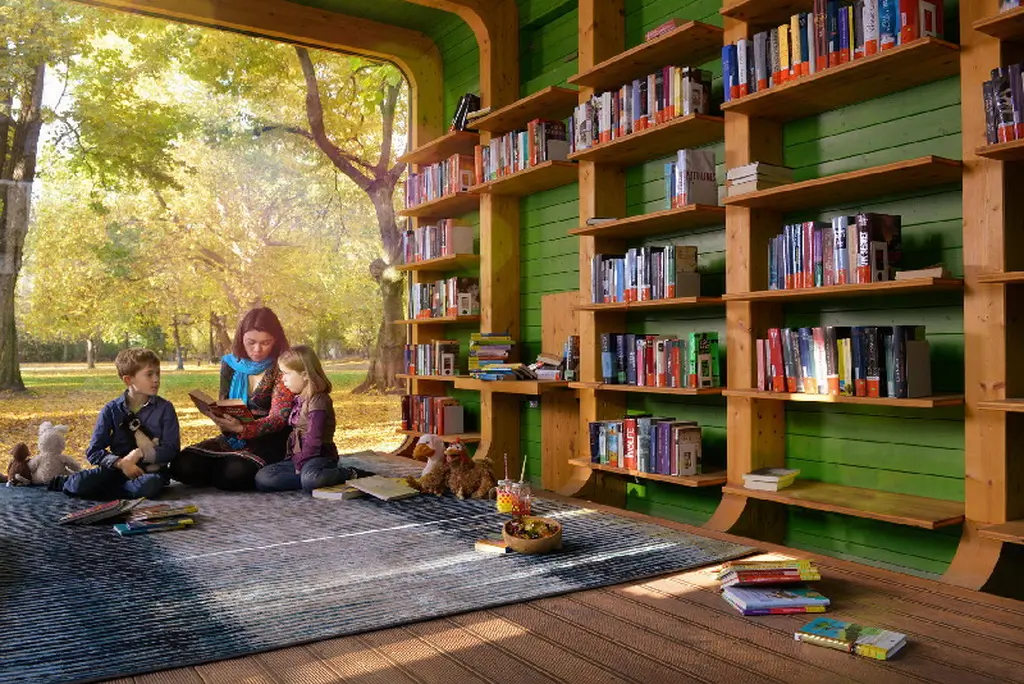
Living affects everybody! … and is, therefore, both an individual and a sociocultural matter. At the same time, living is also evolution, because function and aesthetics have always changed.
Why is living today an emotional matter for many people, while for others it is only a matter of the necessity for secure housing? Why are desks with USB connections so popular now? Why is furniture getting smaller and more flexible? Why did the dining room chair become a comfortable dining armchair, and the bed get increasingly higher? Why is “upcycling” popular? And how do certain materials become modern? Finally, what feeds the zeitgeist and developments in design? The big global megatrends provide the answers to these questions. They are both a manifestation and an instrument.
That is why Koelnmesse, with imm cologne, published the booklet on megatrends in 2016, together with the German furniture industry association (VDM). For the first time, it is demonstrated how the eleven megatrends of Connectivity, Female Shift, Silver Society, Mobility, Neo-Ecology, Health, New Work, Urbanization, Individualization, Globalization, and New Learning define the standards for living and the effects on the product furniture.
Megatrends can remain current for several decades, because they describe phenomena in a long-term and durable way. The concept of the megatrend and its related themes was first made a matter of public discussion by the American researcher John Naisbitt at the beginning of the 1980s. Many of his megatrends are still valid and recognizable today.
Related Article: Megatrends and Living
Alejandro Aravena Received the 2016 Pritzker Architecture Prize
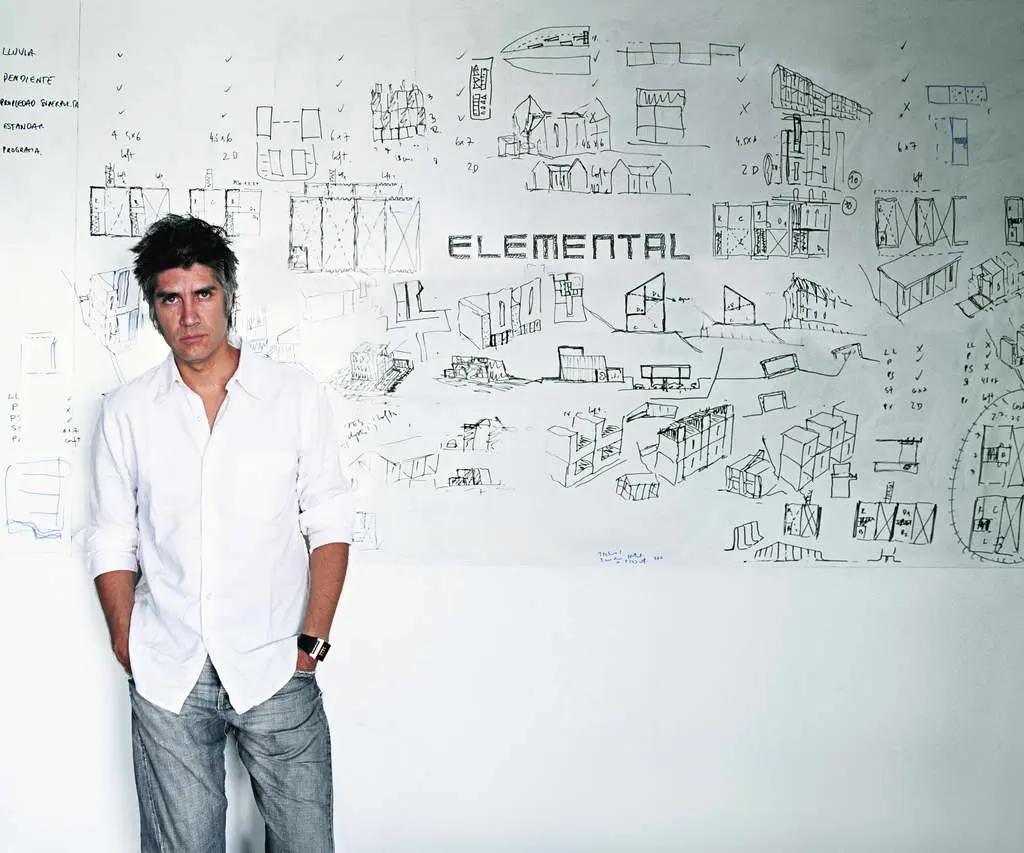
Alejandro Aravena of Chile received the 2016 Pritzker Architecture Prize. The 58-year-old Aravena is an architect based in Santiago, Chile. He became the 41st laureate of the Pritzker Prize, the first Pritzker Laureate from Chile, and the fourth from Latin America, after Luis Barragán (1980), Oscar Niemeyer (1988), and Paulo Mendes da Rocha (2006).
He practices architecture as an artful endeavor in private commissions and in designs for the public realm, and epitomizes the revival of a more socially engaged architect. Since 2001, Aravena has led the Santiago-based ELEMENTAL, a “Do Tank,” as opposed to a think tank, whose partners are Gonzalo Arteaga, Juan Cerda, Victor Oddó, and Diego Torres. ELEMENTAL focuses on projects of public interest and social impact, including housing, public space, infrastructure, and transportation.
Alejandro Aravena was also the Director of the Venice Architecture Biennale 2016, titled “Reporting from the Front.”
Related Article: Alejandro Aravena of Chile Receives the 2016 Pritzker Architecture Prize
Salone del Mobile.Milano 2016 – Design Trends
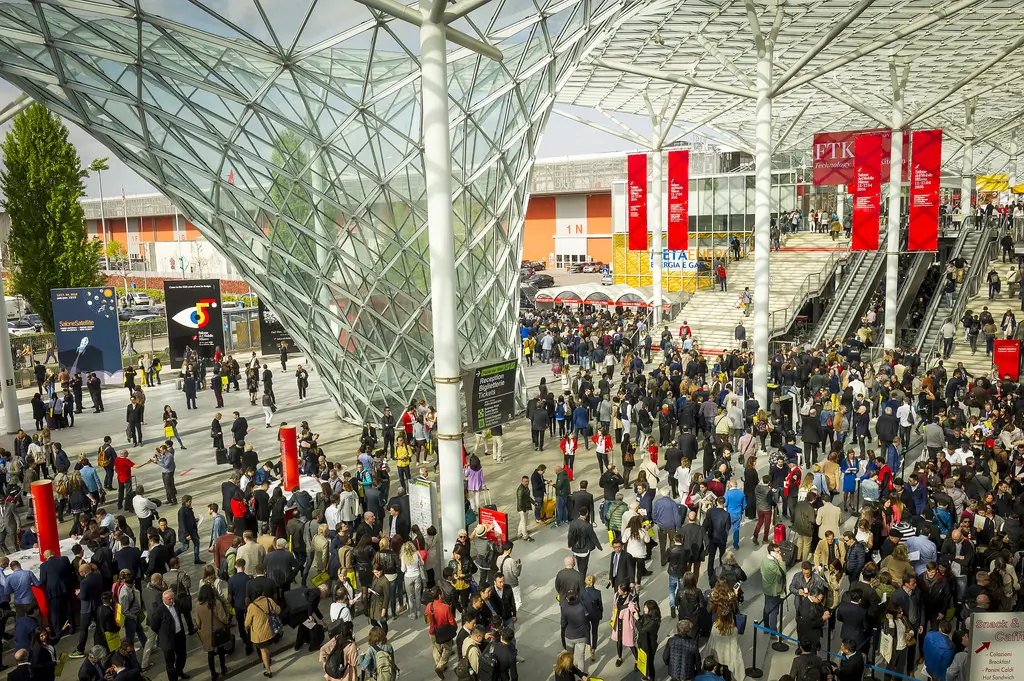
Salone del Mobile.Milano, one of the most prestigious furniture and interior design trade fairs, was held from 12th to 17th April 2016 in Milan, Italy. The trade fair introduced new products and trends in furnishing living rooms, dining rooms, bedrooms, children’s rooms, kitchens, kitchen technology, bathrooms, and outdoor spaces. Salone Satellite has shown the works of young, talented designers from around the world.
Talking about trendy design styles from that year, the nostalgia for past times was still pronounced. Retro design, from the 1960s to the 80s, was still dominant. Industrial style, in more or less refined forms, and ethnic-chic style were also present.
The most prevalent colors at Salone del Mobile.Milano 2016, were pink, blue, green, yellow, and red. These vibrant colors were combined with a neutral color palette. The colors of green grass or petroleum blue were often found in retro combinations. Prevalent patterns were checkered, Pepita, striped, and sprayed, but in retro versions.
Copper, brass, and aluminum were mixed and matched in all possible combinations, creating a discreet pathway towards retro or industrial style. Glass was present in a wide variety of colors.
Related Article: Salone del Mobile 2016 – the Latest Trends in the World of Interior Design
Smart Materials Are Changing the Interior Design World
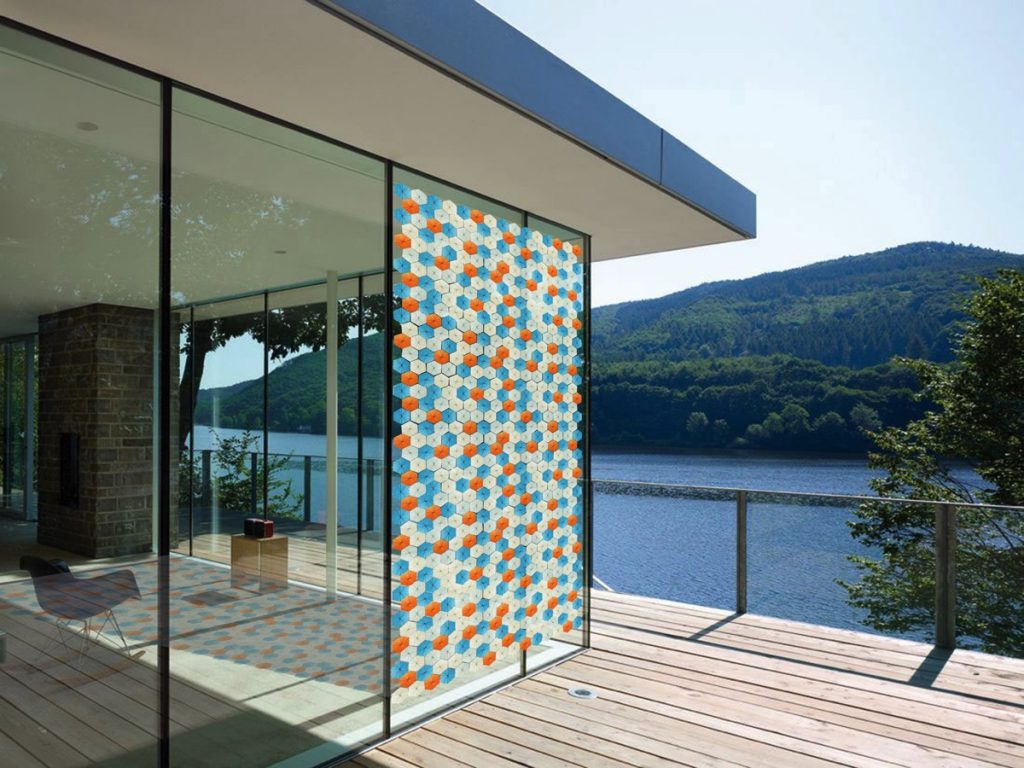
Smart materials open up new possibilities (then and now – in 2016 and in 2026). They are helping to make interior design more multifunctional, flexible, and sustainable. Smart materials offer new application options and diverse potential for designers and architects.
The tabletop charges the smartphone, while the window blinds open and close automatically – according to the position of the Sun. The wall finish ensures the room is kept at an optimal temperature. The special characteristics of innovative materials are changing interior furnishings. They react to temperature, improve acoustics, or act as a power source. At the same time, they are becoming lighter, more robust, and more flexible.
This cycle of innovation features in the products on show at trade fairs such as imm cologne, interzum, and ORGATEC. In addition to market-ready design products, these fairs showcase innovative materials and surfaces, as well as new ideas for applications (then and nowadays). Discover more in this 2016 article.
Related Article: Smart Materials – Changing the Interior Design World
Travel Inspiration – Beautiful Destinations, Featured on Archi-living.com in 2016
Inspiring travel destinations and attractions, lovely hospitality spaces such as hotels, restaurants, bars… Travel meets design on Archi-living.com – Web Magazine by Architects and Designers. Have a look at these beautiful places we featured in 2016.
Top 10 Most Amazing Hotel Bathrooms in the World
The Best Rooftop Bars in the World
Restaurant Design – an Unforgettable Experience Inside a Cave
European Best Christmas Markets 2017
I hope you enjoyed our trip down memory lane to the year 2016. Best wishes from Danica! 🙂
For more design & travel ideas, you are welcome to follow Archi-living.com on Facebook, Instagram, and LinkedIn, and discover these related articles.