
Living affects everybody! … and is therefore both an individual and a sociocultural matter. At the same time, living is also evolution, because function and aesthetics have always changed.
Why is living today an emotional matter for many people, while for others it is only a matter of the necessity for secure housing? Why are secretaries with USB connections so popular now? Why is furniture getting smaller and more flexible? Why did the dining room chair become a comfortable dining armchair, and the bed get increasingly higher? Why is “upcycling” popular? And how do certain materials become modern? Finally, what feeds the zeitgeist and developments in design? The big global megatrends provide the answers to these questions. They are both a manifestation and an instrument.
Our lives are characterised by fundamental societal influences. The term “megatrend” is used to describe these epochal and universal forces. Megatrends are the apparent but also the unnoticed deep currents of societies that take place to varying extents. The identification of these megatrends is very helpful in attentively encountering current consequences and future changes.
Megatrends can remain current for several decades, because they describe phenomena in a long-term and durable way. In this way, they differentiate themselves clearly from trends, fashions, and short-term hype. As is often the case with determinants, cause and effect go hand in hand. A megatrend is born from a changed comprehension of values and their conditions, exactly to the same extent as it is then influenced by this transformed comprehension of values.
In addition to societal and cultural changes, a megatrend can also have consequences for the national economy or for politics. It can, for example, fundamentally alter the market price of a product and positively stimulate the supply of and demand for it. It can also make a product appear obsolete and thus nearly eliminate demand for it. However, it doesn’t do this actively in the form of an influential working group or committee, of a ruling decree, a regulation, a law, or a political decision, but rather automatically by way of its own inherent logic. A megatrend is thus always adaptable, but also unstoppable.

Megatrends influence the entire civilisation in every society. In some cases, they even overlap in a contradictory fashion and have an effect in the various regions of this world and the various social groups of varying intensity, that is, in some cases, chronologically staggered. All in all, megatrends are an expression of the human need to order the world, to reduce its complexity, and to make the future predictable. That is the reason why Koelnmesse, with imm cologne, is publishing this booklet together with the German furniture industry association (VDM). It is a practical tool for having a reliable look into the future of living and furniture.
The concept of the megatrend and its related themes was first made a matter of public discussion by the American researcher John Naisbitt at the beginning of the 1980s. Many of his 30-year-old megatrends are still valid and recognisable today. The megatrend map system forming the foundation of this booklet has been illustrated and documented in Germany by the Zukunftsinstitut around Matthias Horx.
This booklet examines the individual megatrends in isolation from one another in German and English, even when they are not networked linearly with one another, but instead multi-dimensionally. It is ultimately their eleven different titles that enable this intensification. For the first time, it is demonstrated how the eleven megatrends of Connectivity, Female Shift, Silver Society, Mobility, Neo-Ecology, Health, New Work, Urbanisation, Individualisation, Globalisation, and New Learning define the standards for living and the effects on the product furniture.
The following contains some living and furniture examples, stimulated by megatrends. The complete booklet, of course, provides information on all megatrends.

The wish for connectivity with respect to living is shown when an oven is checked from the living room with the smartphone, when a light is switched on or off while on vacation, when the viewing window of a microwave oven is at the same time a PC monitor, and when wireless loudspeakers fill the living space with sound.
Female Shift with reference to living is shown when the open design ground plan asserts itself in new buildings. Here kitchen, dining area, and living room merge into a spatial unit. And not least because housewives no longer cook behind closed doors in the kitchen. Many new items of furniture are made of light materials and can also be moved more easily by women. The height of the kitchen counter can be adjusted electrically, and the pivoting arm for the flat screen is self-explanatory.
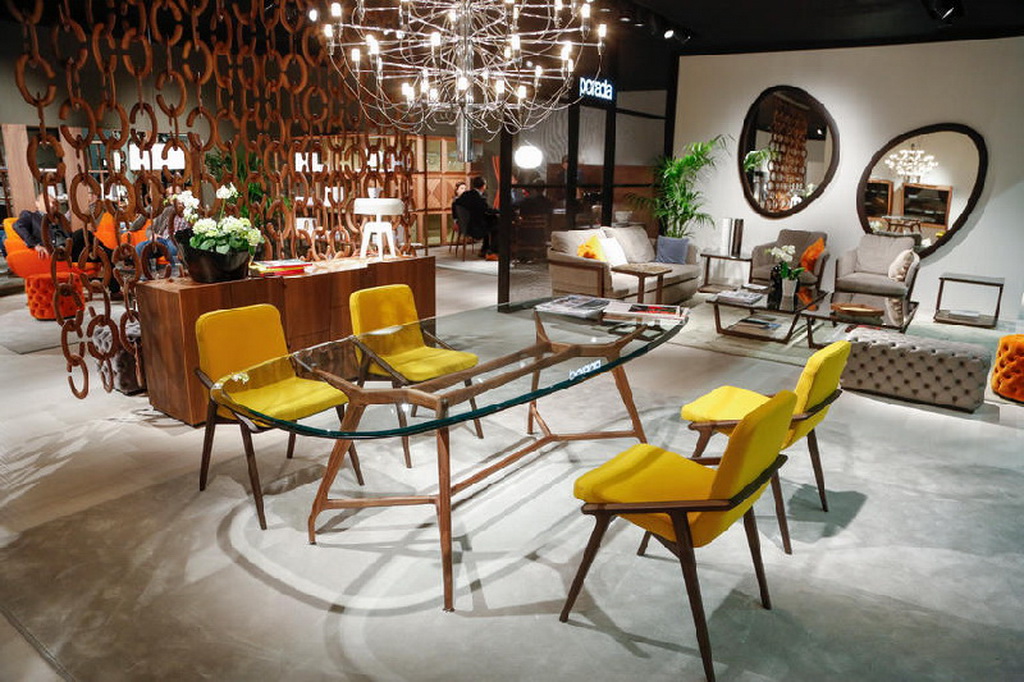
The ambition of Silver Society with regard to living is exemplified when modern accessibility advances into the realm of equipping one’s own home in order to maintain one’s individual and private lifestyle. The shower installed at floor level or the lift in the private home are examples of this. In the case of furniture, higher beds allowing easier entry and getting up are just as popular as an automatic light in the clothes closet, light and rollable free-standing cabinets, or comfortable dining armchairs for long and pleasant sitting.
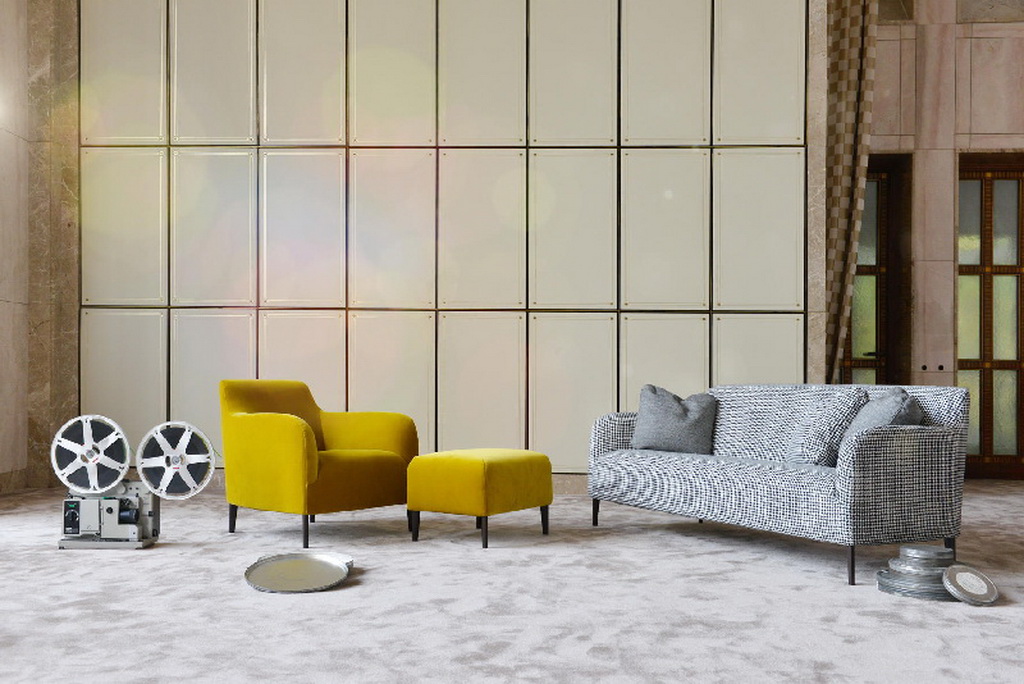
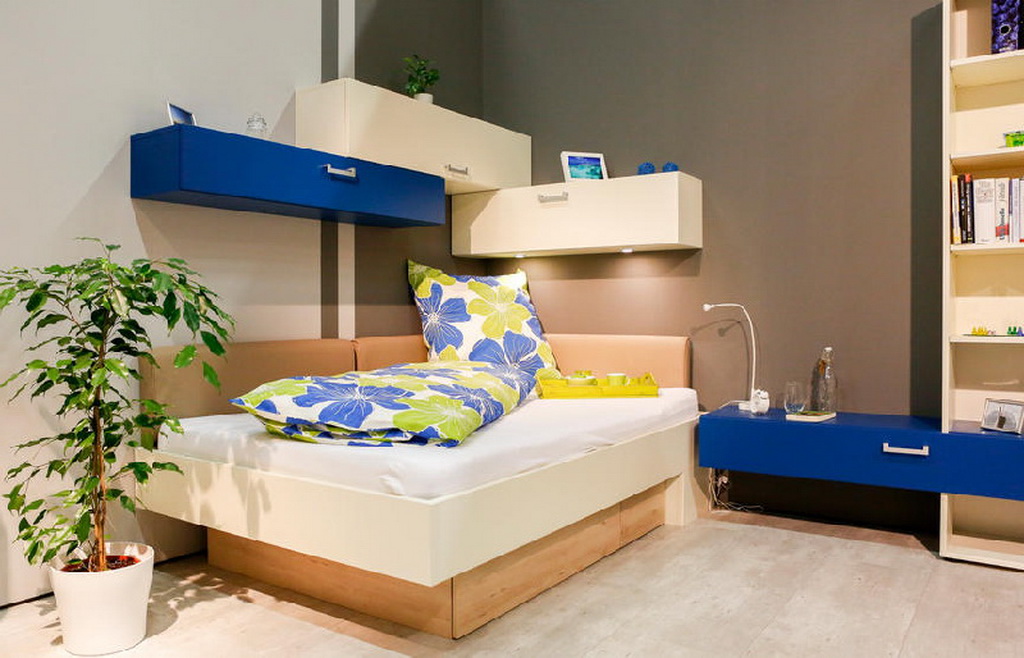
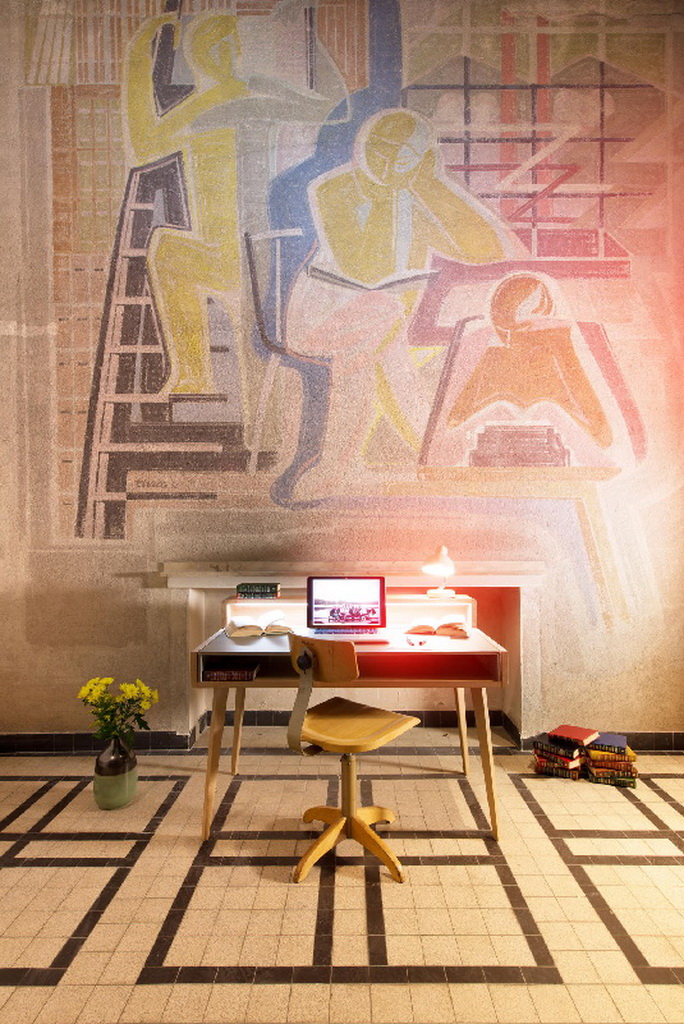
Mobility in living brings about changes in many respects. A market for light and portable cardboard furniture has arisen, as well as a market for furniture rental. The properties of furniture must be flexible in keeping with needs. Wall beds are experiencing a second wind, and the small secretary can be easily stored and taken with someone moving. Furniture weighs less on the whole. Lightweight panels for shelves, cabinets, and work surfaces are around 30 percent lighter than comparable wooden materials.

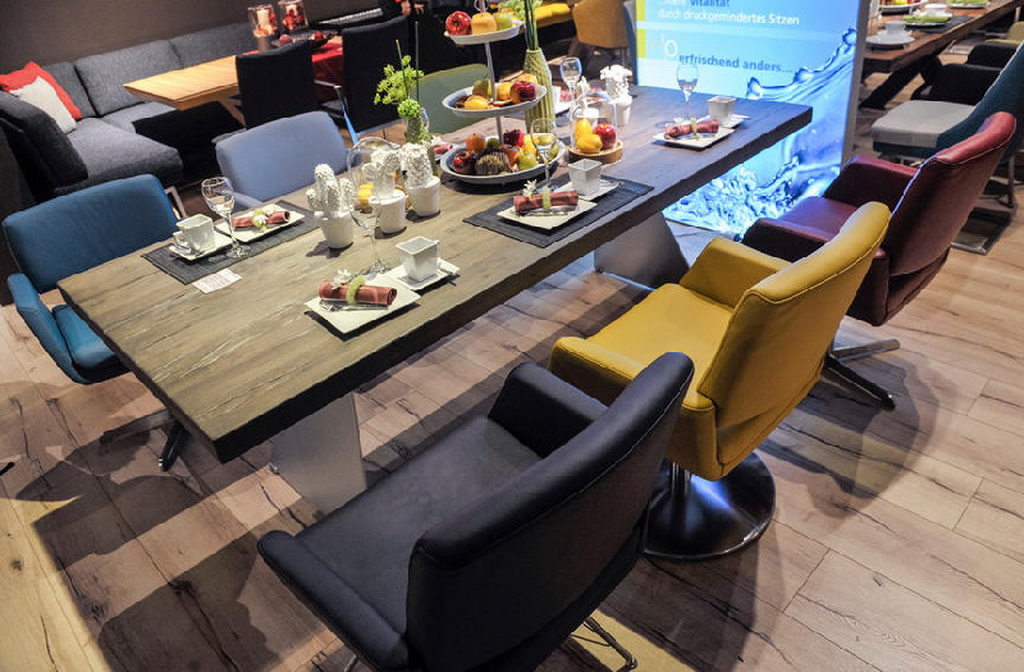
Living with the theme of Neo-Ecology means a preference for authentic and natural materials. Besides wood, these include stone, metal, cork, etc., all of which are honest materials preferred by people. The theme of “upcycling” also plays into this megatrend. Products are not thrown away, but can instead be used in whole or in part in a new product. In the furniture and interior design branches, for example, old timber beams are used for the production of tabletops, decommissioned service trollies become home office caddies, or old carpets are processed into newly colored patchwork coverings.

Text and Photos: Koelnmesse, imm cologne
