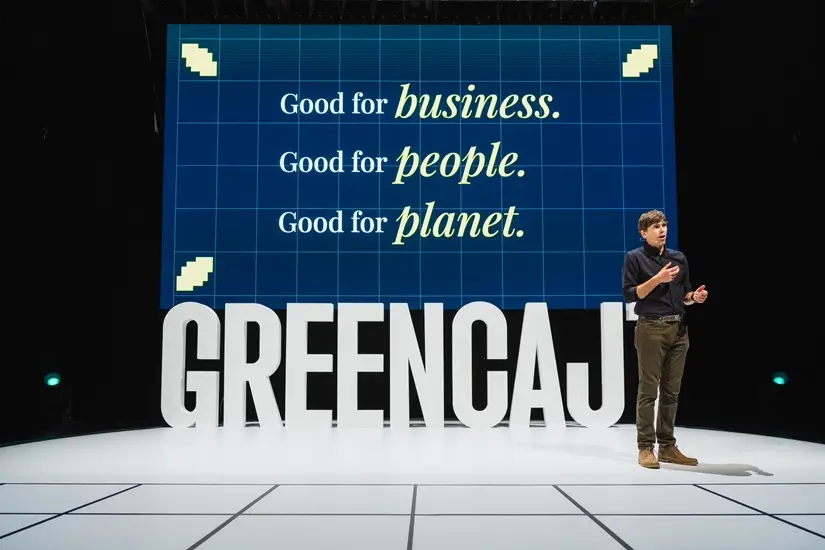
The sixth edition of Greencajt, the largest regional conference on sustainability and the green transition, took place from June 1 to 3 at HNK2 (Croatian National Theatre 2) in Zagreb, Croatia’s capital. This environmental conference was marked by lectures and discussions that opened up some of the key issues of today – from sustainable business to artificial intelligence, corporate responsibility, and the future of society. Discover more.
Guest Appearance by Ben Fogle
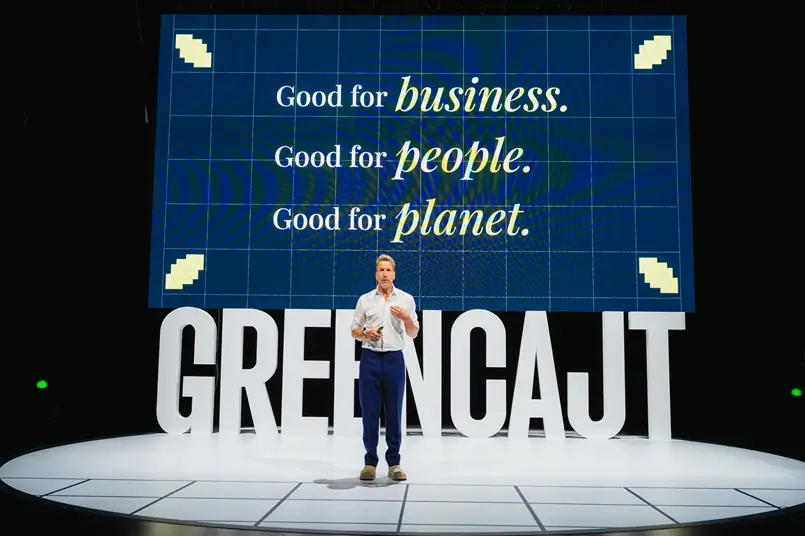
On the first day of the conference, the special attention of the audience was attracted by the guest appearance of Ben Fogle, the world-famous British adventurer, author, and one of the most recognizable BBC television personalities, who gave an inspiring lecture, “New Lives in the Wild: Beyond the Map,” in front of the packed hall of HNK2.
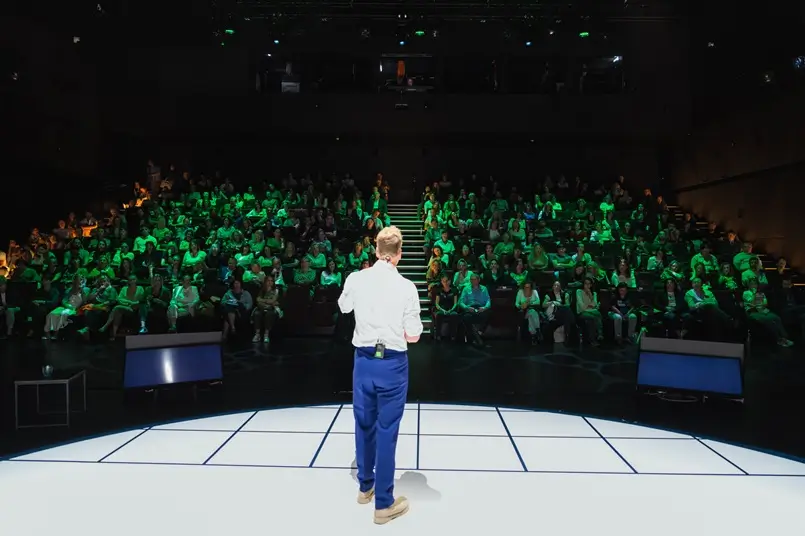
Through personal stories and experiences from the most remote parts of the world, Ben Fogle spoke about people who chose to live differently, outside the established framework of modern society, but also about the relationship of man to nature, community, and their own values. His lecture raised the broader question of whether we can equally imagine different models for development, business, and the planet’s future.
Fogle said on this occasion: “In a time of increasing polarization, we need to learn to listen to each other again, respect different opinions, and remain open-minded. Equally, we must not give up on the planet. Nature has an incredible ability to restore, and it is our responsibility to act, lead by example, and leave the world in a better state for generations to come.”
Sustainable Development, Green Leadership, Regenerative Economy…
Great interest was also raised by the presentations of Juan Verde, an internationally recognized strategist for sustainable development and former advisor to US administrations, who spoke about the global energy transition and climate policies, as well as Marga Hoek, one of the world’s leading experts on sustainable business, who opened up the topics of sustainable leadership, regenerative economy, and the future of business.
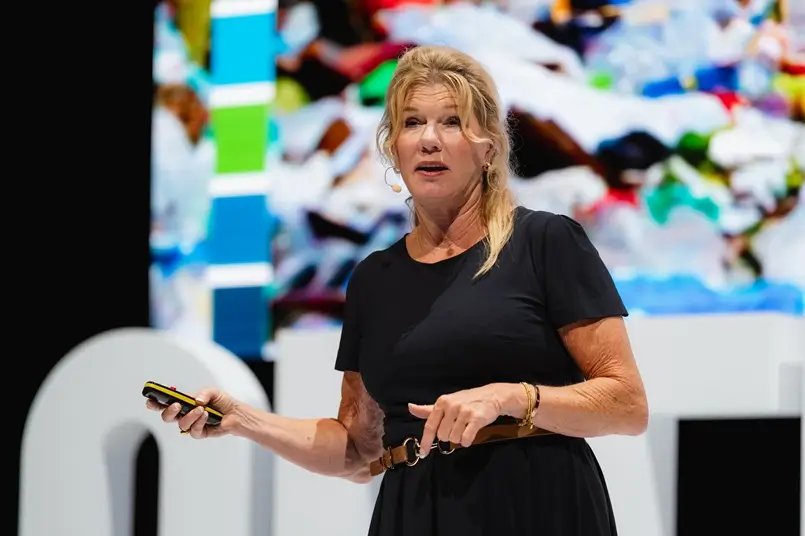
Among the more prominent conversations of the first day was the one with Emil Tedeschi, President of the Management Board of Atlantic Grupa, who spoke about business, responsibility, and the long-term development of companies in an era of increasingly rapid change.
The second day of Greencajt started with lectures by Kay Firth-Butterfield and Dr. Lollie Mancey on artificial intelligence, and generational differences and new expectations brought by Gen Z and baby boomers were also discussed.
The panel “From a Sustainable Destination to a Sustainable Community” raised the question of how tourism can become a driving force for the development of local communities, preservation of authenticity, and better quality of life outside the tourist season. Participants of the panel were Cristina Vojić Krajcar, Marketing Manager of the Istria Tourist Board; Rudi Grula, Director of the Međimurje County Tourist Board; Ivana Vladović, Director of the Split and Dalmatia County Tourist Board; Krešimir Šakić, Director of the Šibenik Knin County Tourist Board; and Ida Prester moderated the panel.
Related Article: Think Green and Travel: 7 Beautiful European Destinations
Simon Reeve’s Guest Appearance at the Greencajt Conference
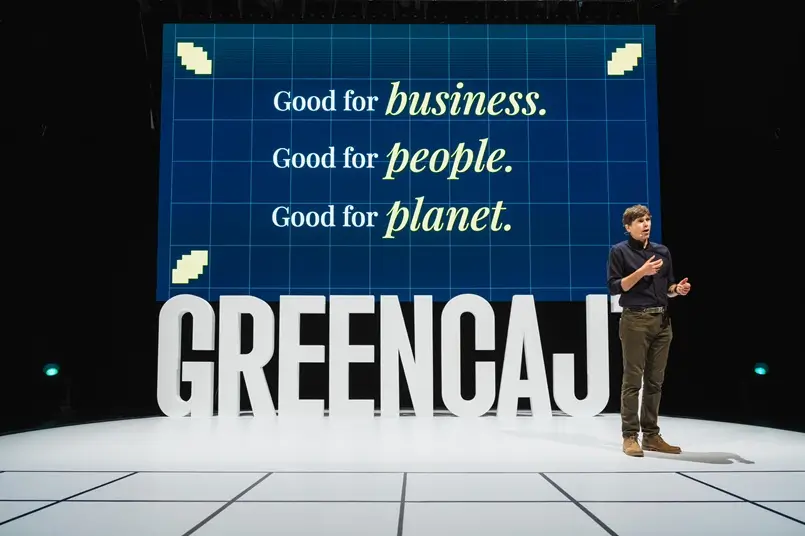
The exclusive guest appearance of Simon Reeve, powered by HTZ (Croatian National Tourist Board), one of the world’s most famous travel writers, authors, and BBC documentarians, attracted special attention from the audience.
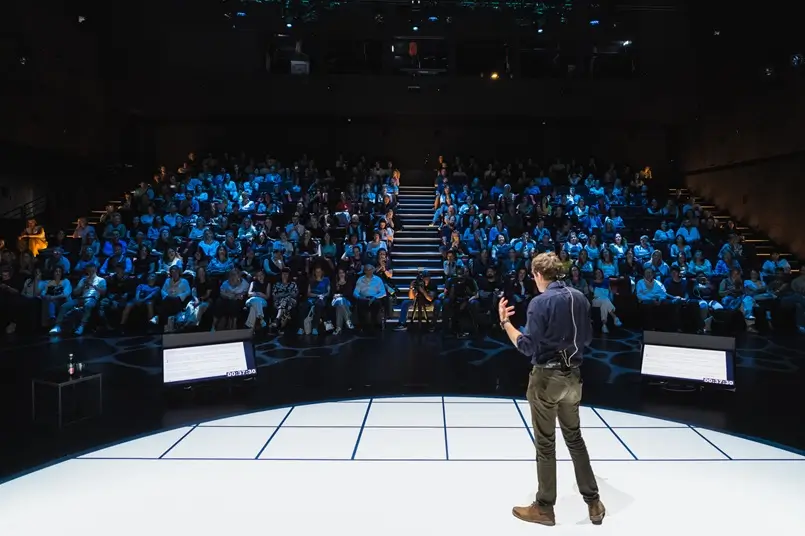
As part of Greencajt, Simon Reeve ended his world tour “To the End of the Earth” with an inspired lecture after more than 100 sold-out halls around the world. Through a powerful and emotional lecture, he took the audience on a journey through the most remote parts of the planet, places off the tourist routes where he witnessed the extremes of nature, climate change, political conflicts, and human endurance.
His story sounds like a movie script. He was detained, passed through war zones, met smugglers and extremists, and survived malaria deep in the wilderness. It was through such experiences that Simon Reeve spoke about the resilience of people, the beauty of the planet, and the importance of preserving a world that is increasingly facing climate and social challenges. He said on Greencajt: “Just because we can’t do everything doesn’t mean we shouldn’t do something. Climate change is a reality that people around the world are already feeling, but the answer to it lies not in pessimism but in action – through small personal steps, responsible financial decisions, creating opportunities for others, and reconnecting with nature.”
Related Post: 28 Vegan Quotes: Plant-Based Lifestyle for a Happy World
Development of More Sustainable Food Systems
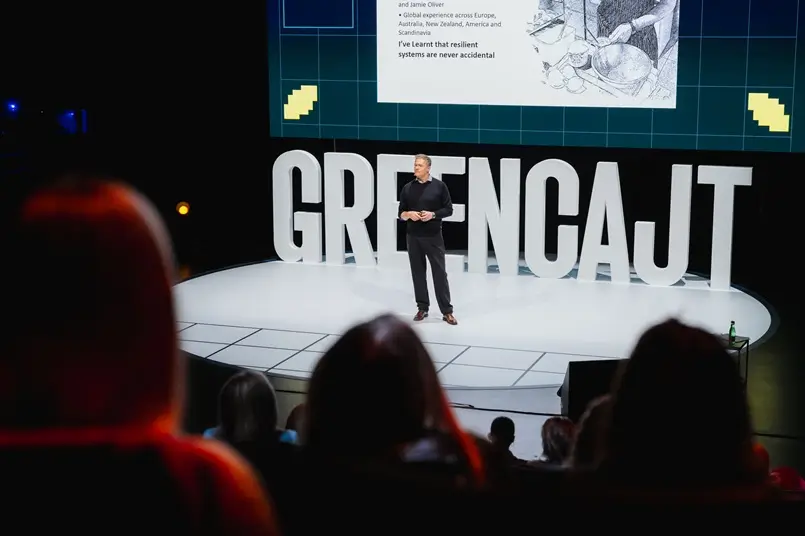
Arthur Potts Dawson, Michelin Chef and UN World Food Program Chief Advocate, opened the third day of Greencajt with the lecture “Food is Never Just Food,” powered by Mastercard. He spoke about food as a system of values, sustainability, and responsibility, opening up topics related to local production, circular economy and zero-waste practices that increasingly shape gastronomy and the food industry.
Speaking about the relationship between food, sustainability, and the future of food systems, Arthur Potts Dawson pointed out: “The resilience of food systems does not happen by chance. It is the result of thoughtful decisions that respect nature and reduce waste. Today, all food businesses are also climate businesses, and the future belongs to those who will know how to build more resilient systems and responsibly manage resources.”
The final day’s program also included a lecture, “We Are Not What We Eat – but What Our Microbes Do with It,” by Professor Rasmussen from the University of Copenhagen, who spoke about the connection between food, microbiome, and health, and new scientific findings that are changing the way we understand nutrition and the body.
Great interest was also raised by the lecture “Algae on the Menu: the Next Big Bite Comes from the Sea” by Assistant Professor Ditte Baun Hermund from DTU National Food Institute in Denmark, who presented the potential of algae as a sustainable food source of the future and their role in the development of more sustainable food systems.
Gladys H. Morales, Global Innovation Manager at the UN Food and Agriculture Organization (IFAD), also spoke about the future of food systems and innovations that can respond to global challenges through the lecture “Taste the Future: Can Innovation Feed the Planet?”, focused on sustainable food production and the development of new models of food security.
Photos by Greencajt, Gordan Svilar
For more design & travel news, you are welcome to follow Archi-living.com on Facebook, Instagram, and LinkedIn, and discover these related articles.