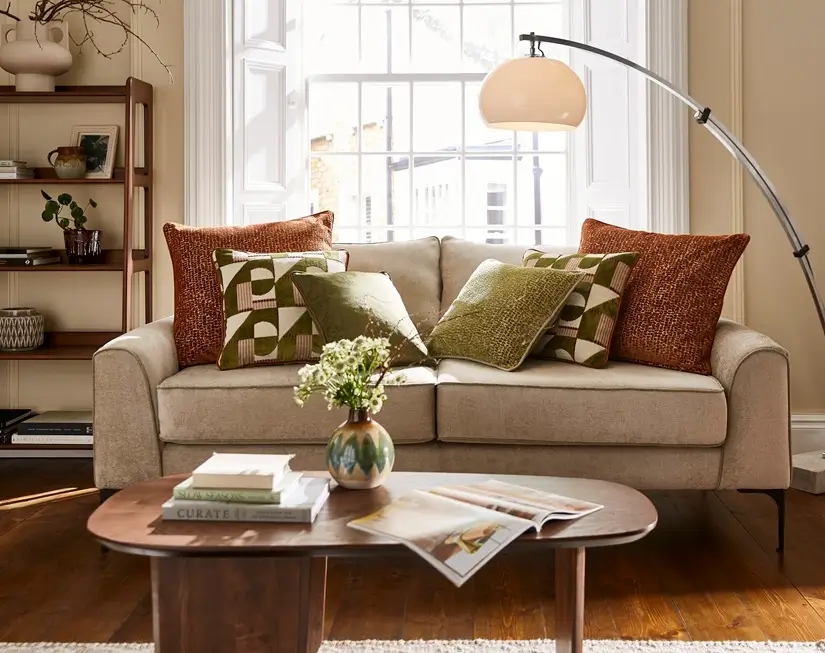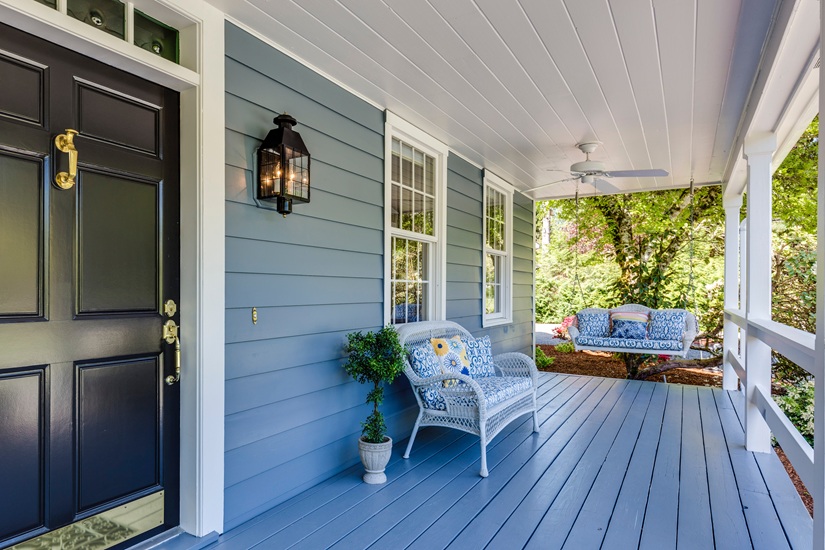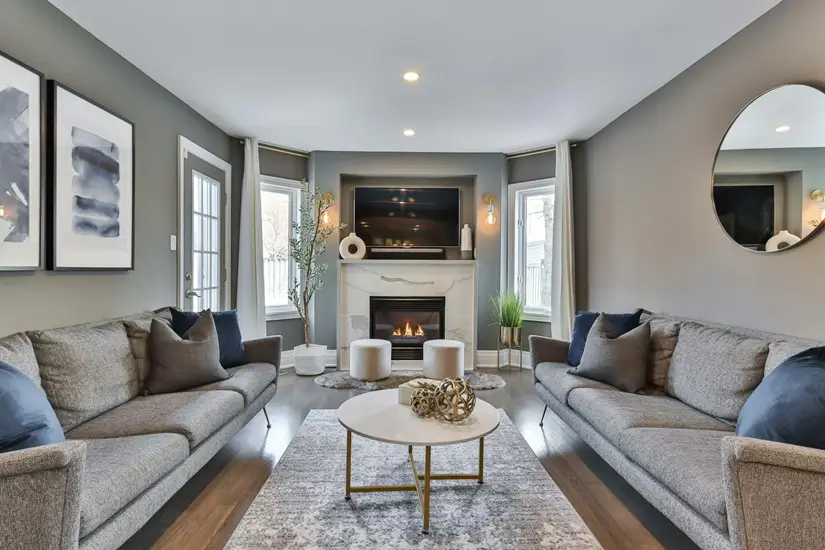
When people step into a beautifully staged home, there is often a quiet sense of ease, as though everything simply works. This feeling is not coincidental, and it rarely comes from trend-driven choices alone. The secret ingredient in home staging is strategic design principles that have stood the test of time.
What makes a design principle timeless is its adaptability across changing tastes, technologies, and lifestyles. For home staging, these principles extend beyond aesthetics, offering architects and designers a reliable framework for creating spaces that resonate with potential buyers. In this guest post, discover 5 timeless design principles for home staging.
Home Staging Functionality: Optimizing Layouts for Imagination
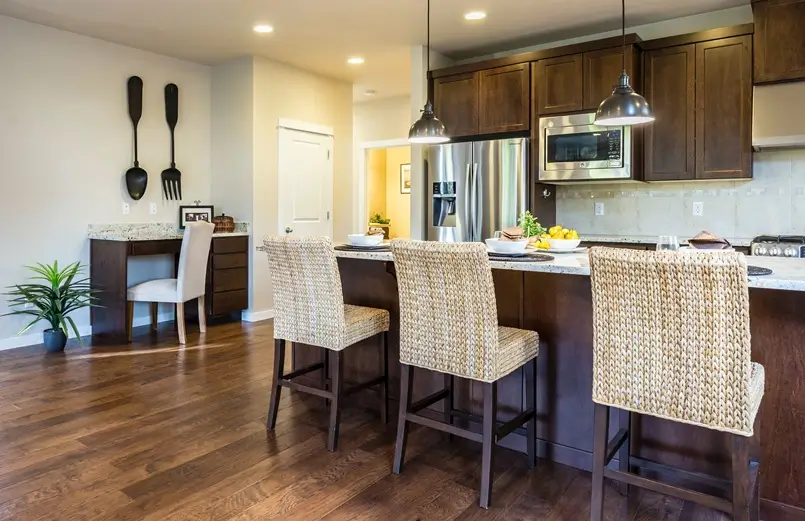
At its core, timeless design is about how people live and how well home spaces can meet their lifestyle needs and preferences. Layouts play a central role in this case, defining how homeowners experience functionality, comfort, and movement within different spaces. Layout preferences are highly personal, too. Data shows that 51% of homeowners favor open-plan living, while the rest continue to choose traditional, enclosed areas.
In home staging, layout decisions are key to transforming empty rooms into relatable spaces that inspire buyers to imagine themselves living in them. Fortunately, modern life has made spatial configurations increasingly flexible. Today’s buyers often expect spaces to serve multiple purposes. Staging should leverage these expectations by using layout to demonstrate adaptable uses. For example, designers can turn a small nook in the kitchen into a reading corner or a small workspace.
Lighting: Transforming Spaces Into Moments
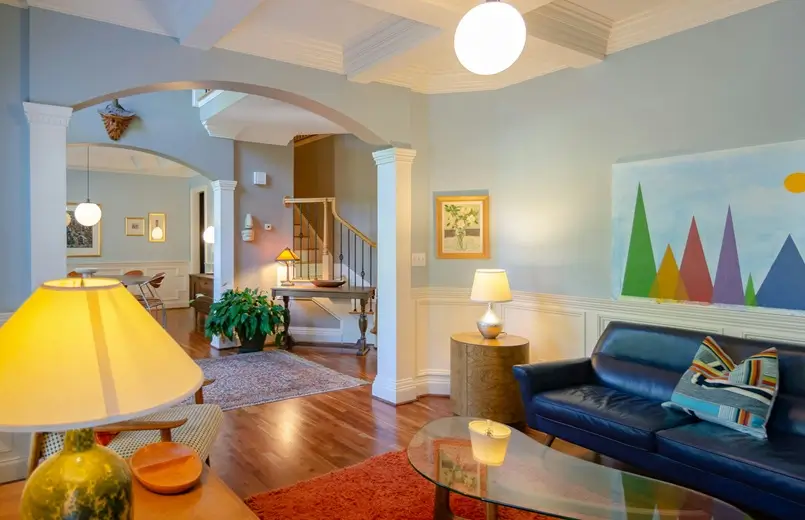
Lighting is a timeless element because it transcends style and directly shapes how people experience spaces. From natural daylight to artificial sources, it influences mood, function, and perception. In home staging, lighting is both practical and atmospheric. Layering ambient, task, and accent lights creates depth and dimension, making spaces feel larger and more dynamic.
Smart lighting systems can help interior designers further enhance lighting effects for home staging. With just a touch of a button, lighting can be adjusted from soft, ambient tones for relaxed evenings to brighter, cooler settings suited to work or entertaining. By demonstrating how a house can transition seamlessly throughout the day, designers add a personal layer to staging, helping buyers envision how the space supports different moments of daily life.
Proportion and Scale: Ensuring Everything Feels Just Right
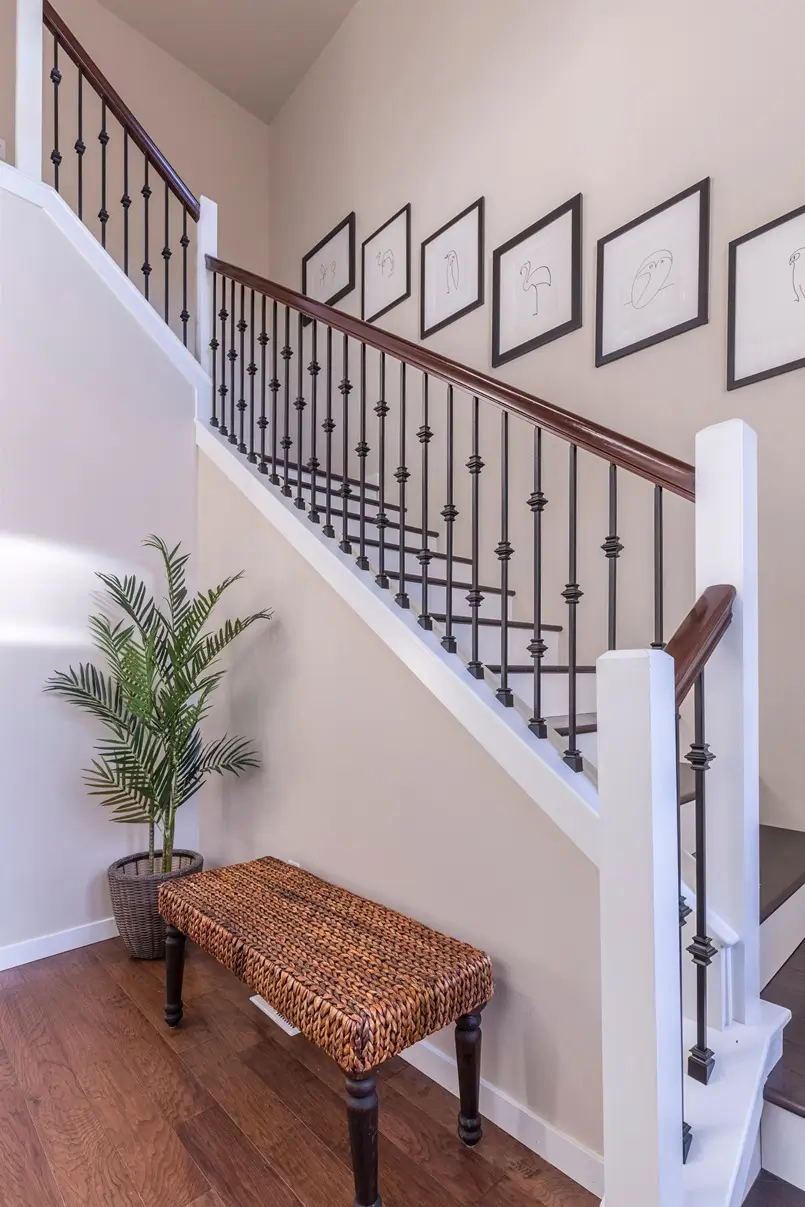
There is something deeply satisfying about a room where everything seems to be in perfect balance. That is proportion and scale at work. Oversized furniture in a small room or tiny pieces in a large space create discomfort.
In staging, getting the scale right ensures everything feels functional and inviting, helping buyers understand how they might use the area without overthinking it. When designers carefully consider proportion, even modest rooms feel generous, ensuring a more pleasant and persuasive viewing experience.
Color Harmony of Home Staging: Making Spaces Come Alive
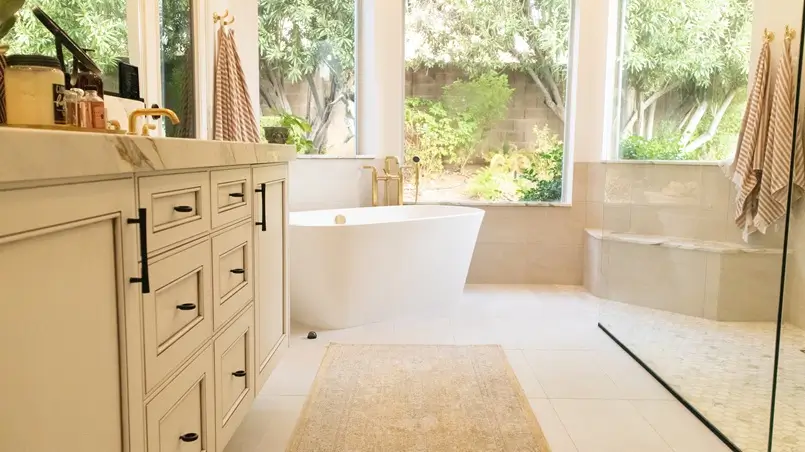
Color has always been one of the most expressive and timeless elements in design. In home staging, color harmony is key to creating visual interest. Interior stylists and decorators frequently use the 60-30-10 rule of thumb to coordinate a palette. The breakdown works like this:
- 60%: Dominant color for floors, large furniture, walls, and ceiling
- 30%: A secondary color for area rugs, curtains, soft furnishings, and small pieces of furniture
- 10%: Accent color for decor items and other fine details
In terms of specific colors, neutral tones like off-whites, beiges, and greys continue to be timeless and versatile options for home staging. Having these calm and easy shades as a base enables designers to enliven the space with colorful textiles, artwork, or accessories.
Focal Point: Ensuring the Best First Impression
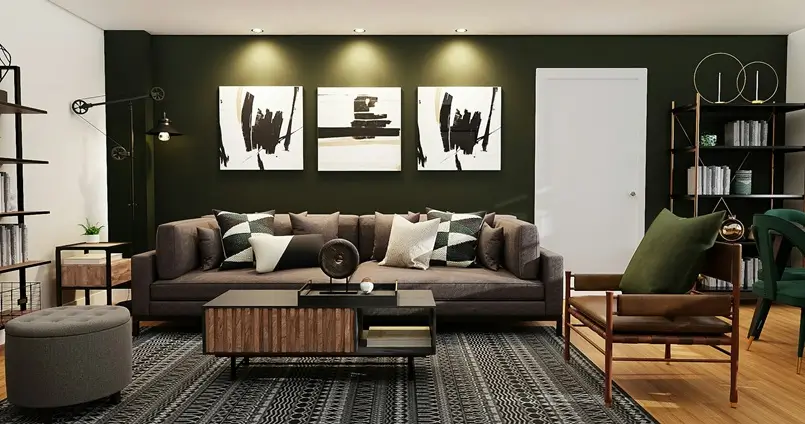
In effective home staging, a strong focal point is essential to anchor attention and guide the buyer’s eye to the property’s most attractive aspects. This might be an architectural feature such as a fireplace or window, or a carefully styled corner with unique furniture or decorative lighting. By establishing what should be seen first, designers create clarity and narrative within a room, ensuring it leaves a lasting impression.
Bringing It All Together
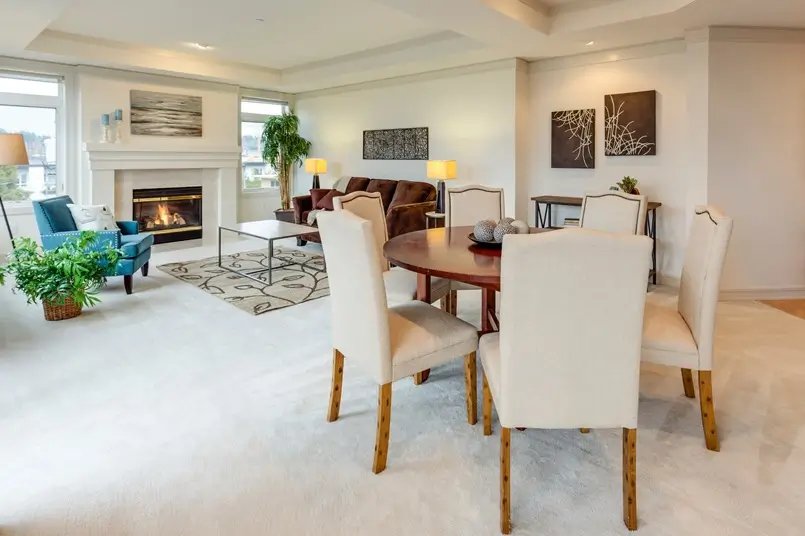
Timeless design principles offer design professionals a solid foundation for creating a stylish yet strategic staged home. Layout configurations, lighting, color, proportion, and focal points work together to enhance the value and appeal of a residential property. Ultimately, a well-staged house grounded in timeless elements does more than look good. It also appeals to the right buyer at the right time.
Author: Evelyn Long is a writer specializing in strategic home staging and color theory for the interior design industry, with articles featured in the National Association of Realtors and Decor Matters. As editor-in-chief of Renovated Magazine, she brings fresh, effective design strategies to her readers.
For more design & travel ideas, you are welcome to follow Archi-living.com on Facebook, Instagram, and LinkedIn, and discover these related articles.